Space Force Rebuffed: SpaceX Turns Down Three Military Launch Deals
The aerospace giant declined three proposed government contracts, while a Spanish rocket maker inches closer to its maiden orbital flight and a Canadian startup seeks massive funding.
By Tariq Mahmoud ·
In a move that signals a significant shift in its commercial strategy, SpaceX has formally declined three launch contract offers from the United States Space Force. The decision, reported this week, leaves the military branch without the specific capacity it sought from the industry’s dominant player, forcing a reassessment of its upcoming launch requirements.
The rejection came on Thursday, marking a notable departure from the company’s typical engagement with government clients. By turning down the offers, SpaceX is effectively prioritizing its internal scheduling and commercial commitments over these specific military missions. This development adds another layer of complexity to the current landscape of government procurement, where reliance on private providers is increasingly standard but not guaranteed.
The news arrived alongside other critical updates regarding the company’s most ambitious project. A NASA safety panel recently indicated that the Starship system may require as many as 22 separate refueling operations to support a lunar landing. This high number of required in-orbit refuelings highlights the immense logistical challenges that remain before the vehicle can execute its primary goal of carrying humans to the Moon.
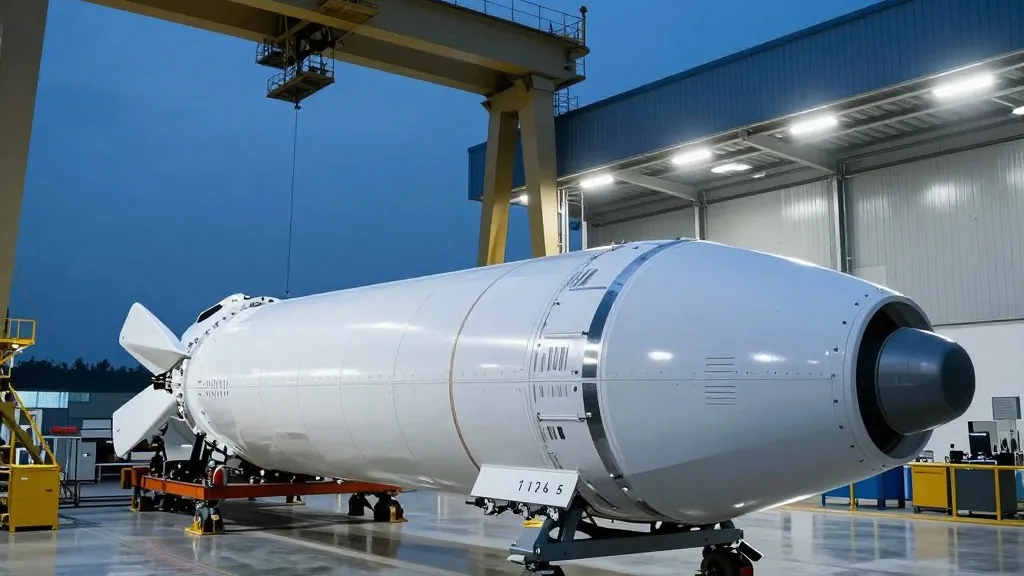
While the U.S. news cycle focused on SpaceX, significant progress was also made in Europe. PLD Space, a Spanish rocket manufacturer, announced that its Miura 5 rocket is nearing final integration for its inaugural launch. The company expects the first flight of this small-lift vehicle to occur before mid-2027, a timeline that has been refined through recent manufacturing efforts.
PLD Space has already manufactured three Miura 5 rockets. According to CEO Raúl Torres, two of these vehicles are being used to qualify key system elements, while the third is being prepared for the first orbital attempt. Torres noted in a program update on October 19 that manufacturing all three vehicles allowed their teams to work continuously across different production stages, applying lessons learned from each qualification campaign directly to the launch vehicle.
Currently, one Miura 5 second stage is fully integrated and has begun system-level testing under representative operating conditions. This specific stage is located at PLD’s test facility in Teruel, where it is undergoing a rigorous qualification campaign. The process includes a wet dress rehearsal and a static hot-fire test, critical steps to ensure the engine and structure can withstand the stresses of flight.
Meanwhile, in Canada, the startup Reaction Dynamics is seeking to raise $350 million in new funding. This capital injection is aimed at expanding the company’s workforce from its current 68 employees to more than 350. The funding is intended to accelerate the development of the Aurora rocket, a small-lift vehicle that Reaction Dynamics hopes will reach orbit in 2028.
The company is not limiting its ambitions to small-lift capacity. Reaction Dynamics has also announced plans to develop a medium-lift rocket named Borealis, which is targeted for its debut by 2031. This dual-track approach positions the Canadian firm as a key player in the emerging global launch market, aiming to serve both smaller satellite constellations and larger payload demands in the coming decade.
Source: Ars Technica