AI Infrastructure Disruption: Wolves Return to Finnish Villages After Forest Loss
Local wildlife is moving into residential areas near unauthorized data center construction sites, prompting safety concerns and regulatory intervention.
By Wei Zhang ·
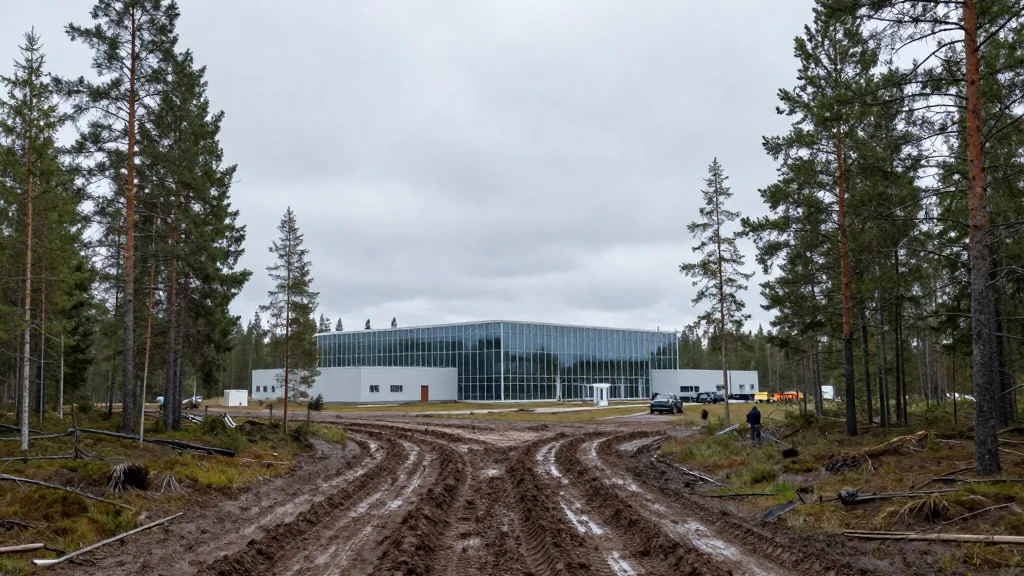
Residents in the Finnish village of Otanmäki are reporting an increase in wolf activity within their communities this week. The shift in animal behavior has been linked directly to the rapid expansion of AI infrastructure nearby. As large tracts of forest have been cleared for new data centers, the natural habitats of local wolf packs have been significantly reduced. Consequently, these animals are now venturing into the countryside villages that border the construction zones, raising immediate questions about human-wildlife safety.
The central issue lies in the scale of the environmental alteration. Google, the American technology giant driving much of the AI boom, has cleared approximately 1,300 acres of forest across two primary sites near Muhos and Otanmäki. Specifically, 816 acres near Muhos have been transformed into an expanse of mud due to the construction activities. Another roughly 500 acres near Otanmäki, located 55 miles southeast of the village, have also been impacted. This loss of green space has not only displaced wildlife but has also disrupted the local ecosystem, forcing animals to seek alternative territory closer to human settlements.
Local officials and conservation groups have expressed strong dissatisfaction with how the project was executed. The Finnish Association for Nature Conservation described Google’s adherence to environmental policy as "unprecedented and clear" in its deviation from standard practices. The Finnish Licensing and Supervision Authority (LVV) has responded by issuing a formal order for Google to cease all work in the affected areas near Muhos and Otanmäki. This regulatory action follows earlier notices given to the company earlier this month to halt construction activities in Muhos and Kajaani.
Community feedback highlights concerns that extend beyond just environmental aesthetics. Anni Ranta, a 53-year-old resident of Otanmäki whose family has lived in the area for generations, noted that wolves are entering the village because the wild animals have been forced out of their forest homes. Ranta also voiced a strategic concern, fearing that the presence of high-value U.S.-owned data centers could make Finland a more attractive target for Russian aggression. Other locals have complained about construction noise, streams turning brown, and the displacement of rare bird species.
Despite the regulatory pause, Google maintains a positive outlook on its relationship with the region. A company spokesperson stated that they will "fully comply with LVV’s requests in this matter" and look forward to maintaining an active dialogue with authorities. The goal is to strengthen the partnership with Finland and local organizations. The company appears to be banking on the long-term business benefits of the data centers to satisfy regulators and the public.
This situation is part of a broader global trend where AI data center developers face scrutiny for their environmental footprint. Similar complaints regarding noise, water quality, and habitat disruption have been voiced in the United States and other countries. However, the specific combination of unauthorized clearing and immediate wildlife displacement has made the Finnish case particularly prominent. As the industry races to build the computing power required for advanced AI models, the balance between rapid infrastructure development and local ecological preservation remains a critical point of tension.
The outlook for the project remains uncertain as the stop-work order takes effect. Google must now negotiate the next steps with Finnish authorities while managing the ongoing impact on local communities. The return of wolves to village perimeters serves as a tangible reminder of the immediate consequences of land-use changes. For residents, the focus is on ensuring safety and proper remediation, while for the tech industry, it is a test case for sustainable expansion strategies in key European markets.
Source: Tom's Hardware